
The wedding has only been over for a few days.
The flowers are still there. The messages keep coming. Some suitcases may not even be completely unpacked. And, above all, the memories are still very fresh.
We remember certain things perfectly. Much less of some others.
Because a wedding day goes by quickly. Very quickly.
And it is precisely at that moment that receiving the first moving images makes perfect sense.
Not several months later.
A few days later.
A few days later, the wedding is still everywhere
There is something special about the days following a wedding.
We rediscover the messages received. We exchange photos with our loved ones. We talk again about a speech, a reaction, an evening that went by far too quickly.
And often, we also realise everything we didn’t see.
A glance during the ceremony.
A reaction at the back of the room.
His parents a few seconds before an entrance.
The atmosphere of the cocktail while we were elsewhere.
Receiving a teaser at that precise moment allows you to immediately reconnect with a small part of all that.
Not to recount the entire day.
Simply to revisit it.
For a few seconds.
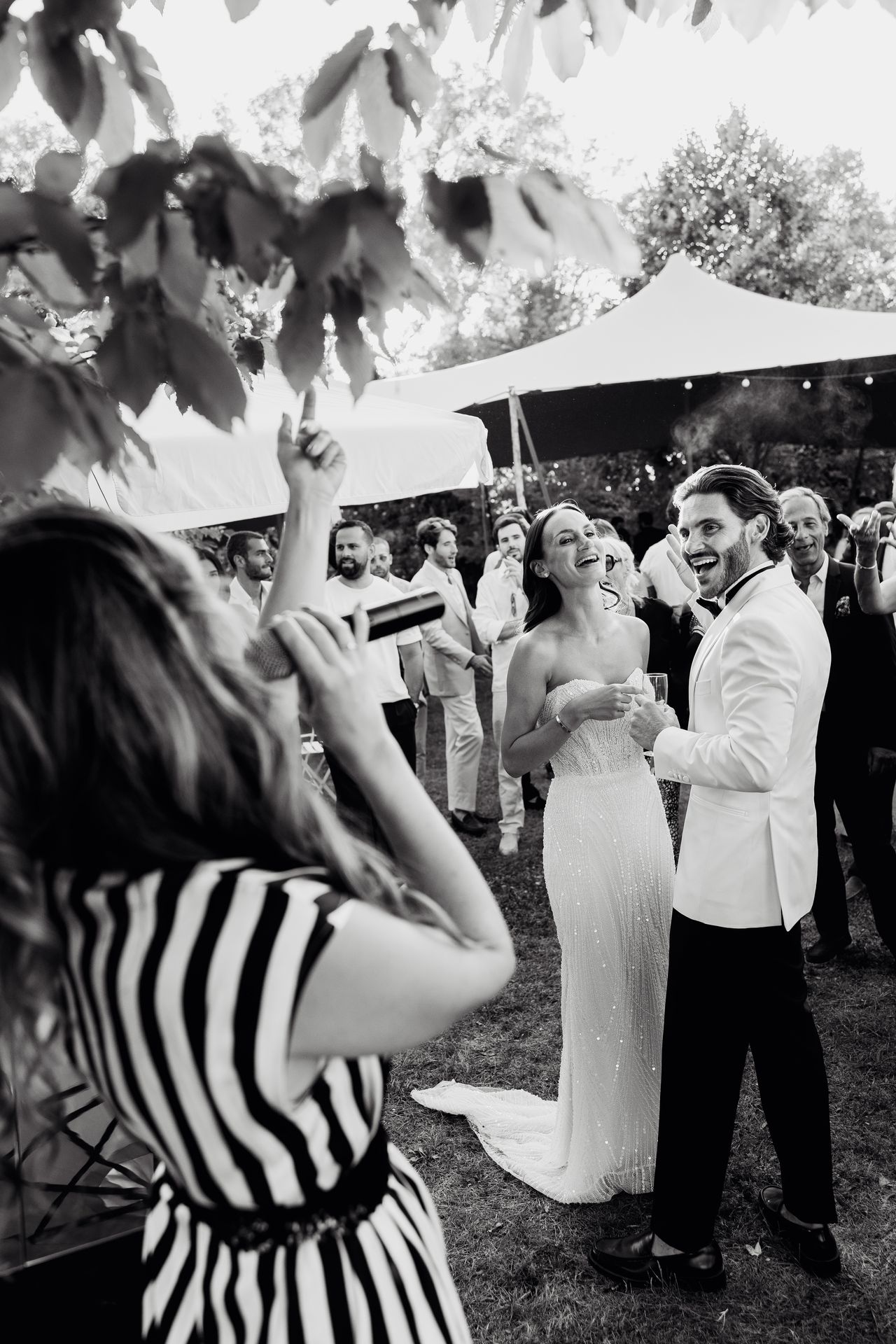
A teaser can summarise a day. or choose to convey a feeling.
A teaser of 45 to 60 seconds obviously cannot tell the whole story of a wedding.
But there is not just one way to construct it.
It can be a first crossing of the day: a few images of the preparations, the ceremony, the cocktail, the couple and the evening. A way to quickly revisit some of the moments that will be discovered later, developed differently, in the film.
But it can also make a much bolder choice.
Highlighting an energy, an atmosphere or something that particularly marked the wedding.
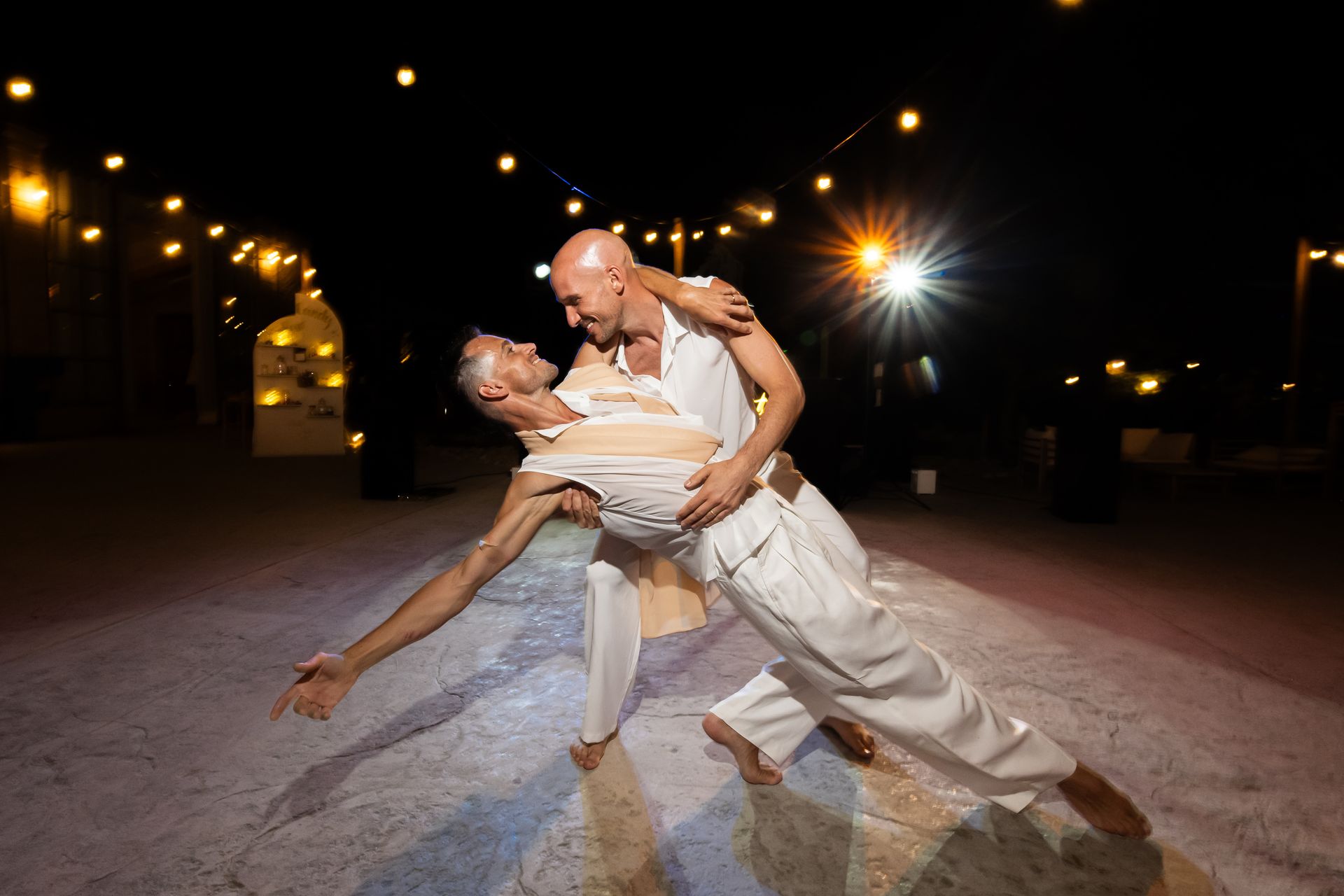
This is the case with Paul and Franck's teaser.
During their wedding, dance was everywhere. In the surprises prepared by their loved ones, in the performances, in the party and in this very communicative energy that accompanied a large part of their day.
For their teaser, I chose to rely on this material.
Not to summarise their wedding in a minute.
But to immediately capture a feeling very present that day: its energy.
This is also what interests me in this format.
Even when delivered quickly, the teaser can already have a point of view.
It is not simply about taking the most beautiful images of the day and stringing them together for a minute. The choice of shots, music, rhythm and sound already allows for something to be told about the wedding.
In another wedding, the result could be completely different.
The teaser can be softer, more contemplative, more focused on emotions or, on the contrary, cover the different highlights of the day.
It must already resemble the wedding it depicts.
And if some images later appear in the film?
That is quite possible.
And even quite logical.
A strong image from the teaser can also have its place in the short film of 5 to 7 minutes, in the narrative film Signature or in the long film of 12 to 14 minutes.
But it will no longer necessarily be viewed in the same way.
In a teaser of a few seconds, an image can exist for its energy, for a gesture or simply for the sensation it provokes.
In the film, this same image can take place in the middle of a longer sequence, be associated with a voice, a speech, a sound captured during the day or with other images that give it a different meaning.
It is therefore not the exclusivity of the images that distinguishes the teaser from the film. It is the way they are used to tell.
The teaser condenses.
The film develops.
The teaser can capture a sensation.
The film gives it context, creates connections and allows more space for people, voices and moments.
It is precisely for this reason that both can contain certain common images without telling the same story.
Finding professional images without waiting several months.
The customs surrounding marriage have evolved significantly in recent years.
Phones are everywhere. Guests sometimes share images as early as the next day. The content creators also offer content designed to be available almost immediately.
This desire for speed is understandable.
But it does not necessarily replace the work of the wedding film.
With the teaser, the idea is precisely to bring together two timelines that can coexist very well: to quickly find a few images from the wedding, while allowing the main film the necessary time to be truly crafted.
The images in the teaser are those shot for your film, with the equipment, framing, and image work of the videographer.
The colour grading is refined. The sound and music are chosen. The editing already has its rhythm and intention.
So it is not a matter of choosing between immediacy and quality.
The teaser simply occupies another moment in the experience.
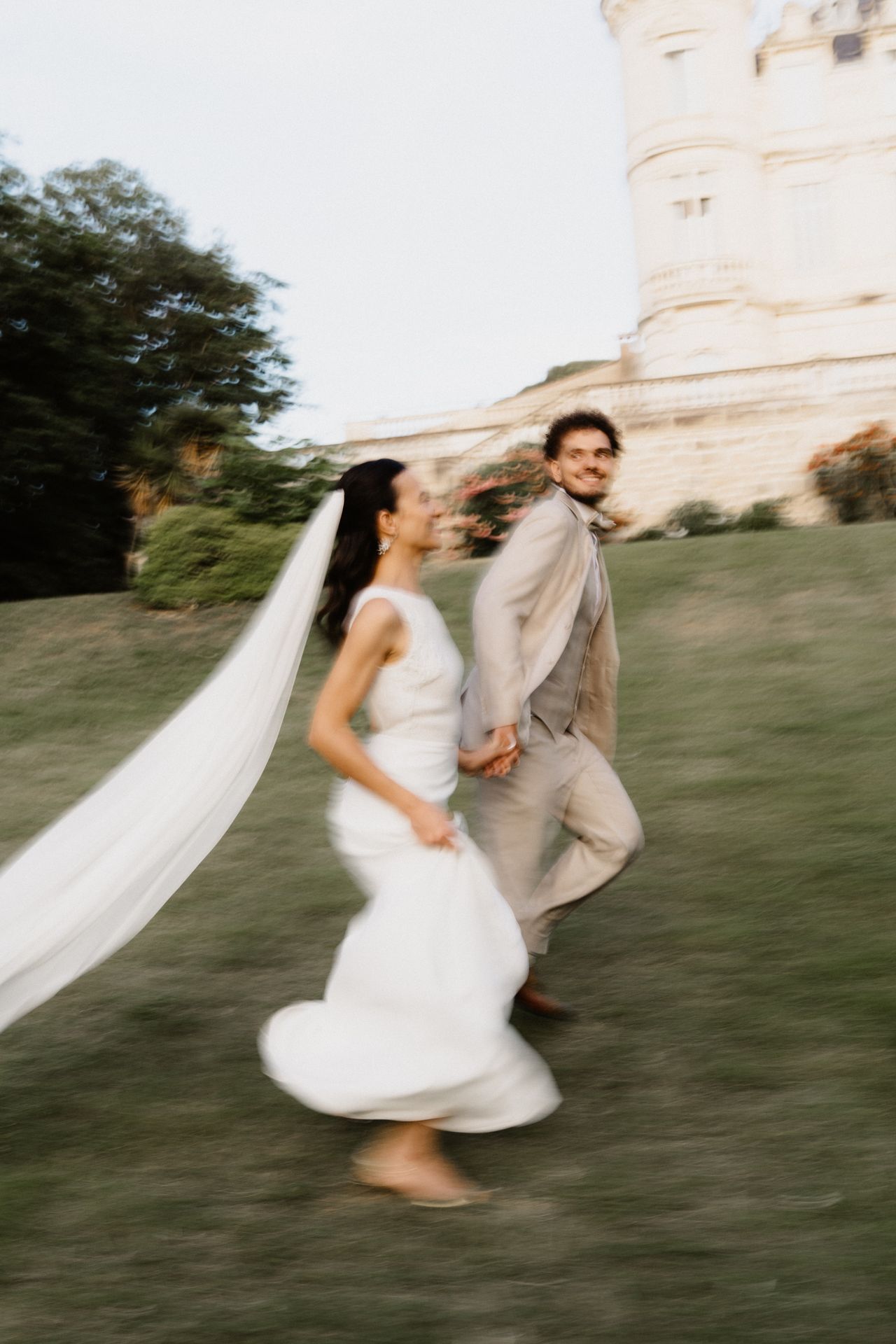
A first writing, not a fabricated content apart.
This is probably an important distinction.
The teaser is not content created alongside the film solely to quickly have a few images to publish.
It is made from the same material as the film: the same images, the same sounds, the same attention to framing and colour grading.
It belongs to the same visual universe.
Simply put, its role is different.
A few days after the wedding, it allows for a feeling that is still extremely close.
Later, the film will take the time to tell more.
Two temporalities.
Two ways of looking at the same memories.
The film, on the other hand, takes time.
It’s almost the paradox.
The teaser arrives quickly.
The film, no.
And it’s intentional.
Building a wedding film is not simply about selecting the most beautiful images and placing them one after the other.
One must review the filmed material. Listen to the speeches and the voices. Find the moments that converse with each other. Work on the music, the sound, the breaths, the rhythm and the colour grading.
Sometimes, one must remove a very beautiful image because it adds nothing to the narrative.
And keep another, much more discreet, because it tells something.
This work takes time.
The teaser precisely allows for not opposing these two desires.
To have something very quickly.
Without asking the film to be made too quickly.
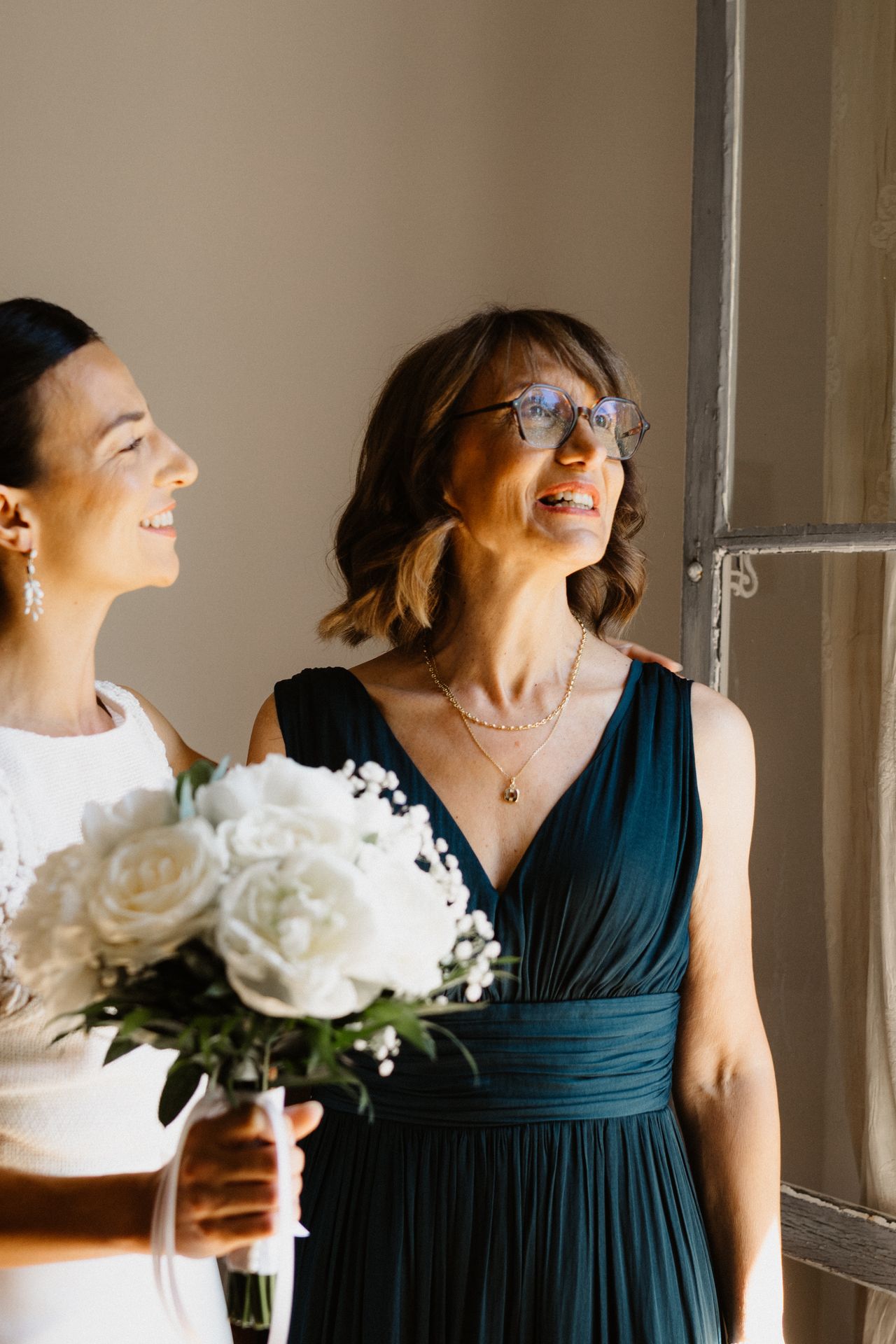
One minute today. A story that will be found later.
In my formula Harmony, the teaser is followed by a short film of about 5 to 7 minutes.
With Signature, the film of about 6 minutes goes further in the narrative: writing in advance, archives, voices, sequences imagined before the wedding… The day then takes its place in a story that began long before it.
And for those who wish to preserve more moments in their continuity, a film lasting 12 to 14 minutes can also complement the whole.
These films do not have the same role as the teaser.
The teaser captures a feeling.
The film develops it.
It creates links between moments, voices, people and what happened before.
Because you do not look at these images in the same way three days later and three months later.
Perhaps this is where the true difference lies.
A few days after the wedding, the images further extend the event.
We watch them with the impression that everything has just finished. We send them to our loved ones. We notice things we hadn’t seen. We find a voice, a movement, an atmosphere that is still extremely familiar.
A few weeks or months later, the relationship with the film changes.
We no longer seek only to recall what has just happened.
We are already starting to look at a memory.
And these two moments are important.
The teaser belongs to the first.
The film belongs more to the second.
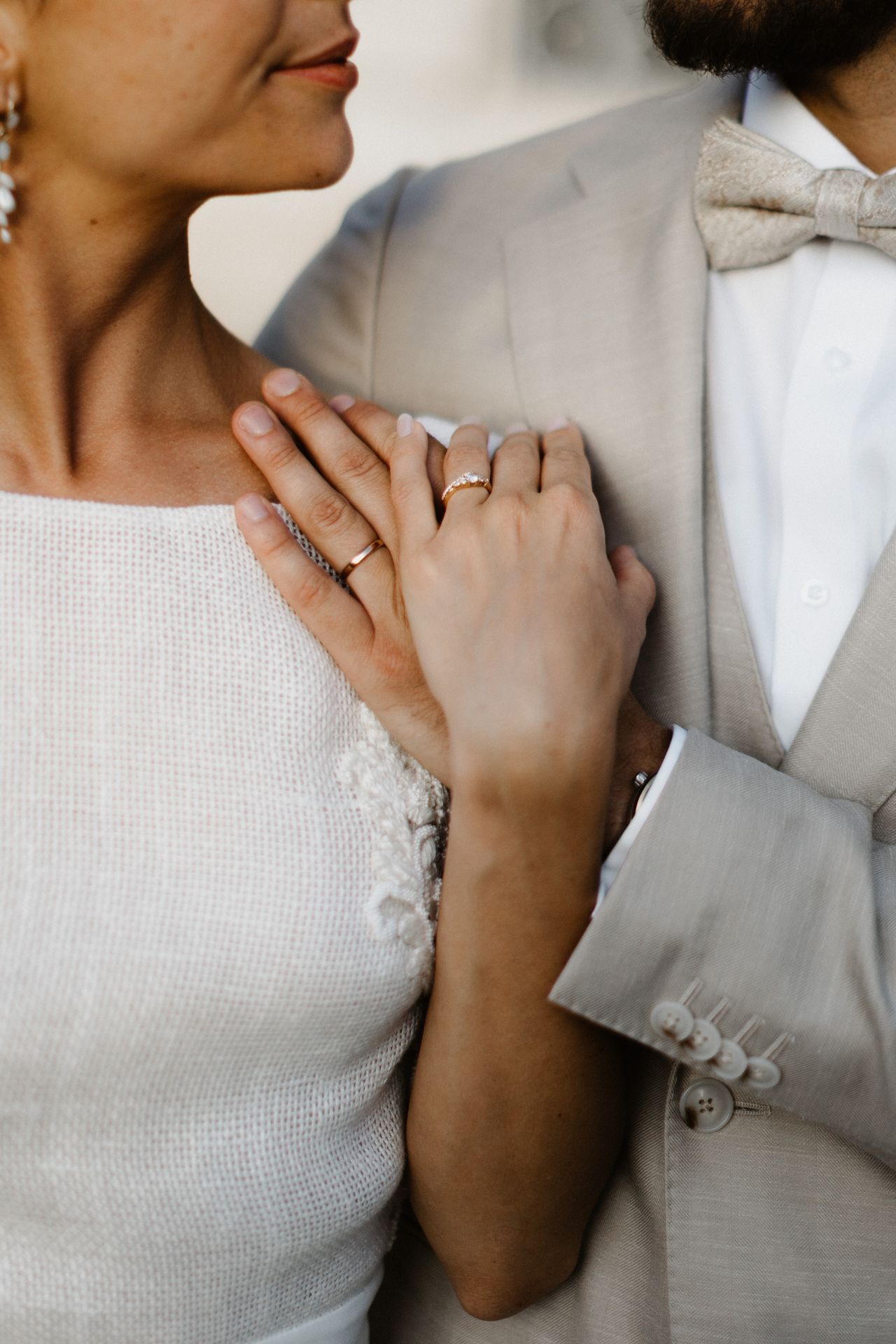
The teaser is therefore not just there to keep you waiting.
It might be tempting to present it like this.
A small video delivered quickly while waiting for the “real” film.
But that would reduce its interest.
The teaser has its own role.
It arrives at a very particular moment, when the wedding is over but we are not yet really out of it.
It can cover the day or choose to bring out a particular feeling.
It allows you to immediately find crafted images of what you have just experienced, without turning the film editing into a race against time.
45 to 60 seconds to go back a few days.
Then, later, the time to truly tell the story.
Discover my wedding films.
Every wedding has its rhythm, its voices, its silences, and its energy.
My job is to observe them without provoking them, then to build a film that resembles them.
The teaser is the first fragment.
→ Discover the Harmony and Signature formulas