
Choosing a wedding videographer is not just about choosing an aesthetic.
There are of course the images.
The light.
The colour grading.
The way of framing or filming a movement.
But there is also a question that is harder to perceive when discovering a videographer's work:
what will the film tell?
Two films can show exactly the same moments of a wedding yet tell something very different.
Because narration does not solely depend on what has been filmed.
It also arises from what we choose to keep, to bring closer, to hear and sometimes not to show.
This is precisely where, for me, the narrative approach of a wedding film lies.
A narrative film is not about inventing a story.
The word "narrative" may give the impression that one must have an extraordinary story to tell.
This is not the case.
A spectacular meeting, ten years spent apart or a proposal worthy of a screenplay do not necessarily make a film more interesting.
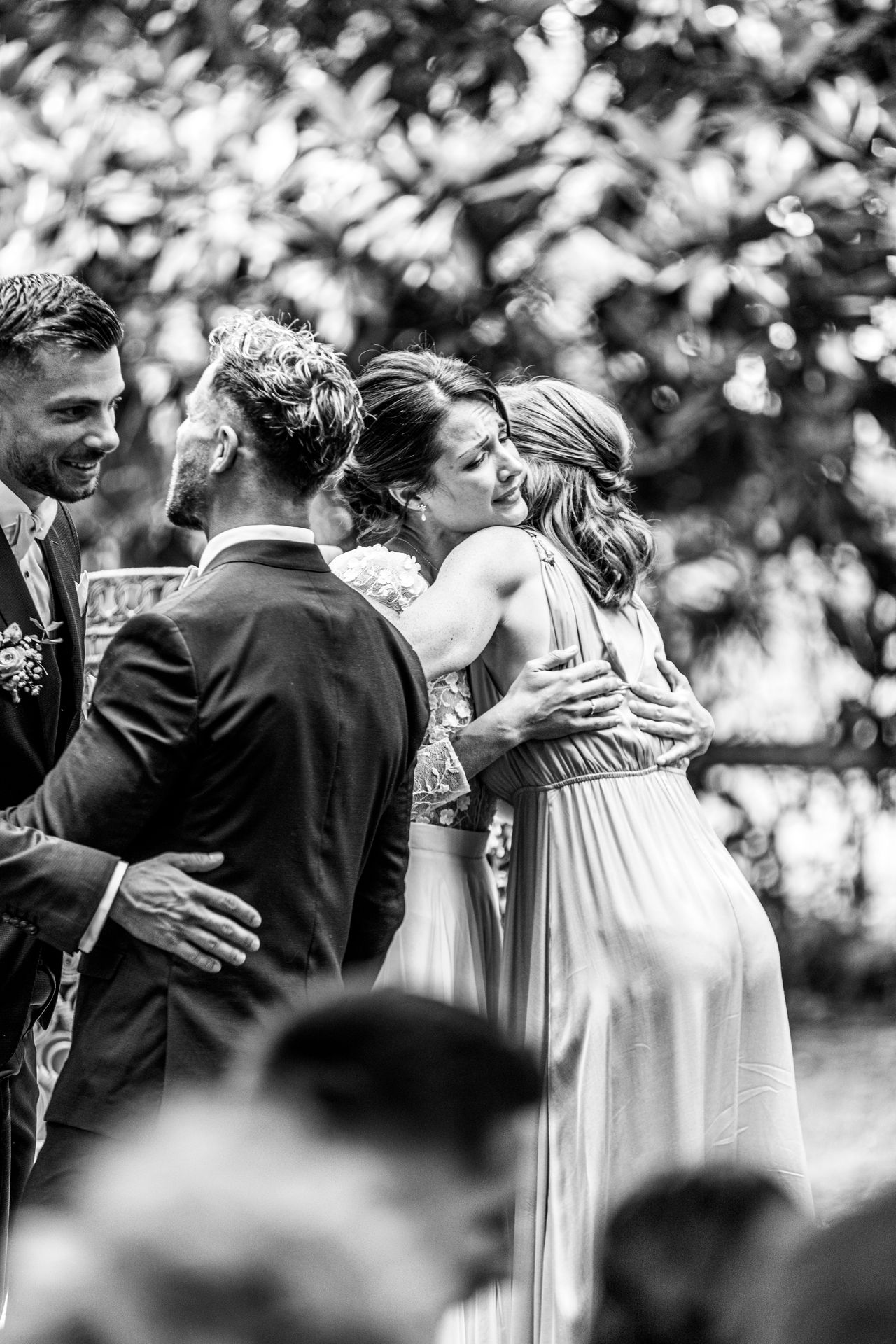
The story already exists in what you are.
In your way of being together.
In your loved ones.
In the relationships that emerge throughout the day.
In the words spoken.
In the gestures you make without thinking.
The narrative work consists first of observing this material and understanding what it tells.
It is therefore not about adding a story to the wedding.
It is about finding the one that is already there.
→ Our story is quite simple: is there really something to tell?
Narration begins with choice
A wedding produces an enormous amount of material.
Hours of footage.
Voices.
Speeches.
Reactions.
Expected moments and others completely unexpected.
Not everything can — and especially should not necessarily — be found in a film of a few minutes.
Narration therefore begins with a series of choices.
Why keep this perspective rather than another?
Why let this sentence continue while the image changes?
Why go back a few hours rather than continue the chronology?
Why, sometimes, simply let a scene breathe?
It is through these decisions that the film gradually begins to find its direction.
Showing less can sometimes allow for telling more.
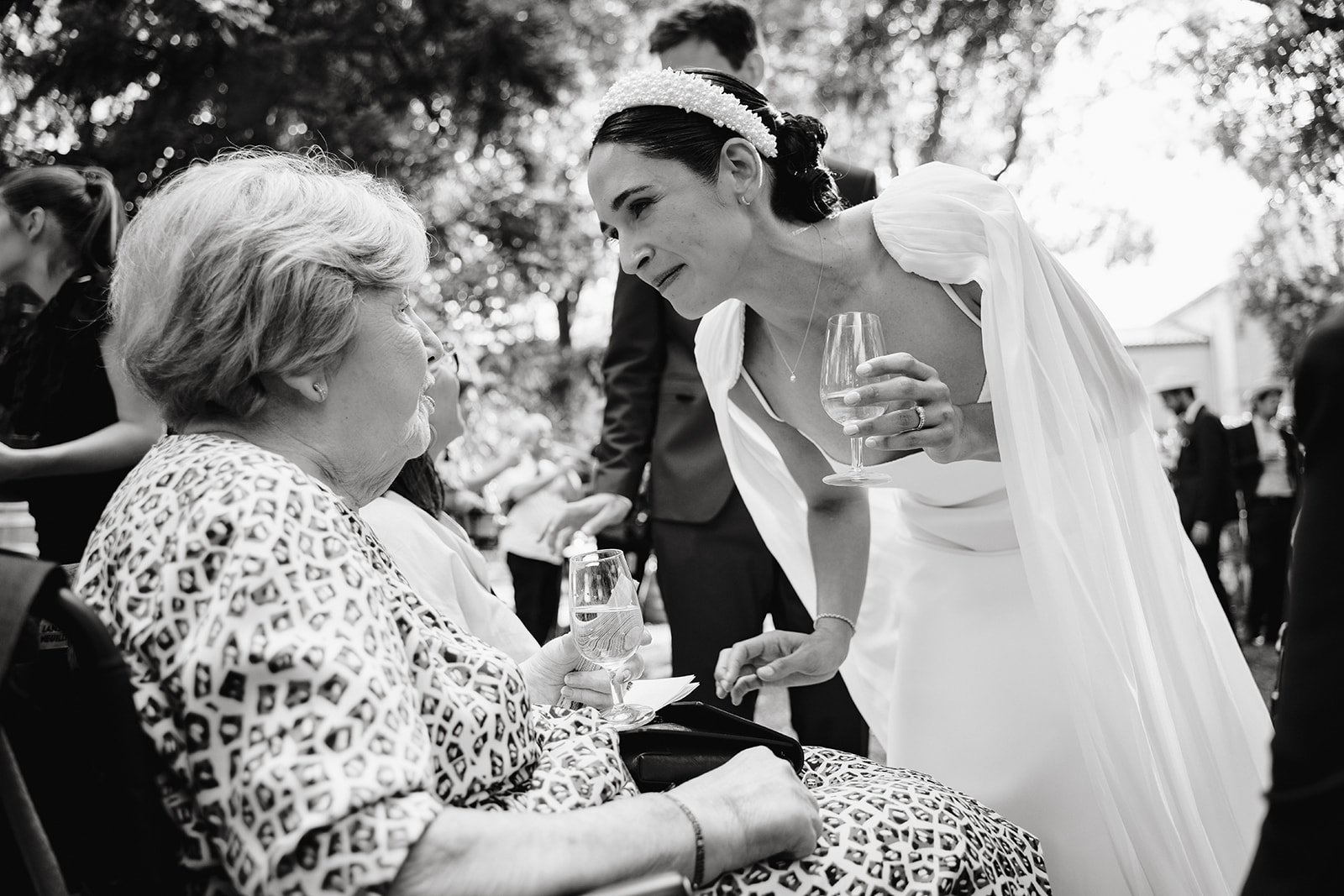
A film does not need to follow the day in order.
This is probably one of the most visible differences with an essentially chronological approach.
In my short films, I am not obliged to start with the preparations and end with the dancefloor.
The wedding is obviously the subject of the film, but the editing allows for movement within this day.
A phrase spoken during a ceremony can accompany the preparations.
A filmed glance during a speech can respond to an image taken several hours earlier.
A very energetic sequence can be interrupted by a few seconds that are much more intimate before continuing.
These juxtapositions allow for the construction of correspondences.
And sometimes reveal something that was not perceptible when the events unfolded separately.
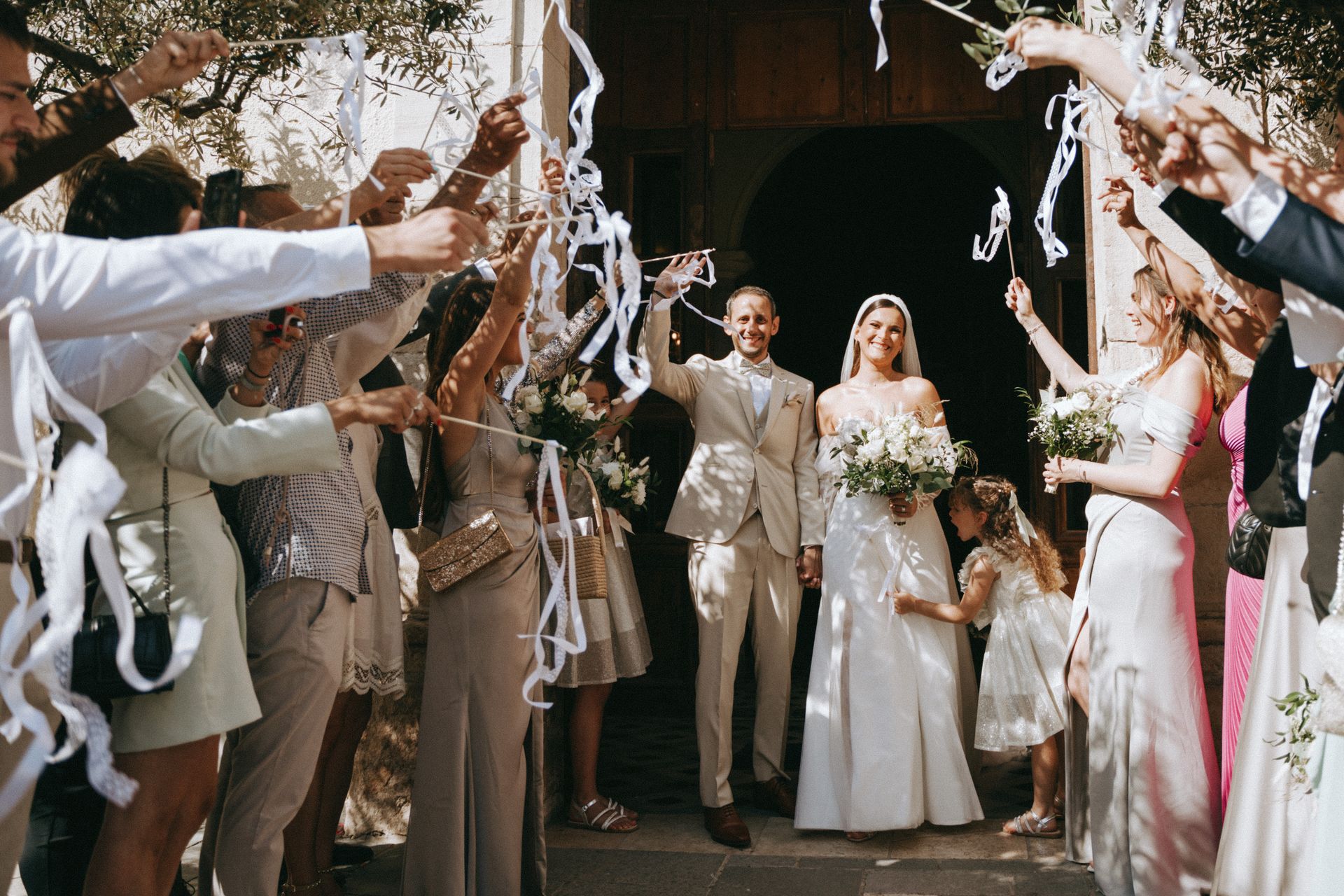
Finding the thread unique to each wedding.
I do not start from a structure that I reproduce wedding after wedding.
Some films will naturally build around the couple's relationship.
Others around the family.
Of a very particular energy.
Of a voice.
Of a speech.
Or simply of a way of being together that recurs throughout the day.
This also means that two films made with the same approach can be very different.
The rhythm will not necessarily be the same.
Nor the place of the voices.
Some scenes will take on a lot of importance in one wedding and very little in another.
The film must be constructed from the material that the wedding provides, and not the other way around.
This is also why your film will never look exactly like those you may have seen before contacting me.
→ Why your wedding film will not look exactly like the films you have seen on my site
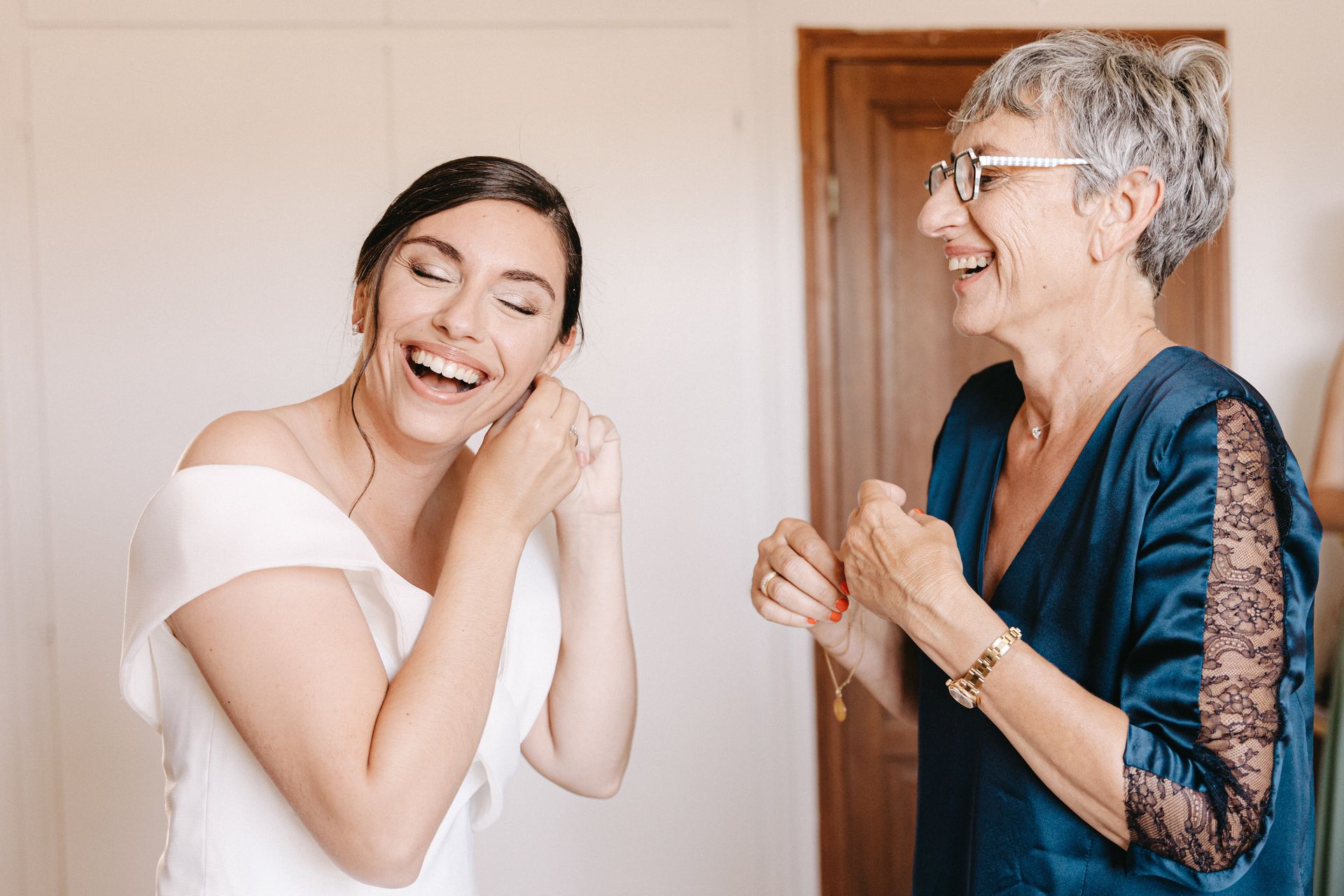
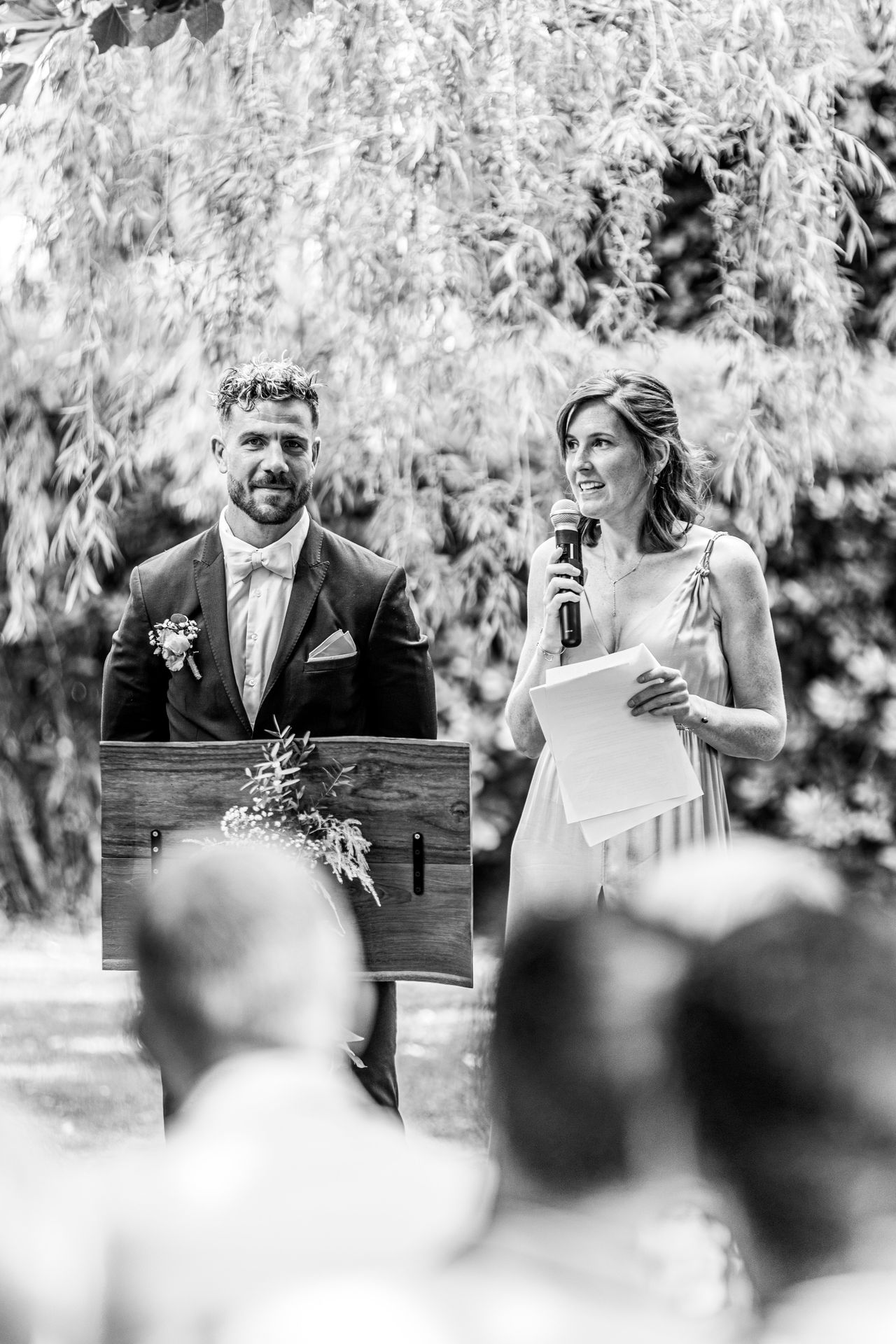
Editing becomes a true writing.
It is probably in the editing that this approach takes on its full dimension.
Filming consists of collecting the material.
Editing consists of giving it a shape.
I then work with several elements: the images of course, but also the voices, the real sounds, the music, the rhythm and the silences.
The challenge is not to multiply effects or transitions.
It is to create links that are natural enough so that the viewer does not constantly think about the editing.
A good part of this work should almost disappear behind the film.
One should not need to understand why an image appears precisely at that moment.
It should simply seem to be in its place.
To go further on this particular dimension of editing:
→ Ce que le son révèle dans un film de mariage
Harmony: telling from what the big day offers.
This narrative approach is already at the heart of Harmony.
I discover the material as the wedding unfolds.
I do not arrive with a pre-written story.
I film what exists: the looks, the gestures, the voices, the silences, the interactions and the energy of the day.
Then the editing allows for searching for correspondences and bringing forth a narrative.
Without intervention. Without staging.
The film is built from what actually happened.
It is a writing that truly begins with the wedding itself.
Signature: when the narrative begins before the wedding.
With Signature, the narrative principle remains the same, but the available material becomes broader.
The work begins before the big day.
We take the time to talk about your story, what connects you, and the elements that may have meaning in the film.
Archives can enter the narrative.
Voices can be recorded in advance.
Certain sequences can be imagined together.
This allows us to tell not only the wedding but also something of what existed before it.
The big day no longer necessarily constitutes the beginning of the story.
It can become its culmination.
Harmonie tells from the wedding. Signature allows the wedding to take place in a broader story.
→ Discover Harmonie and Signature
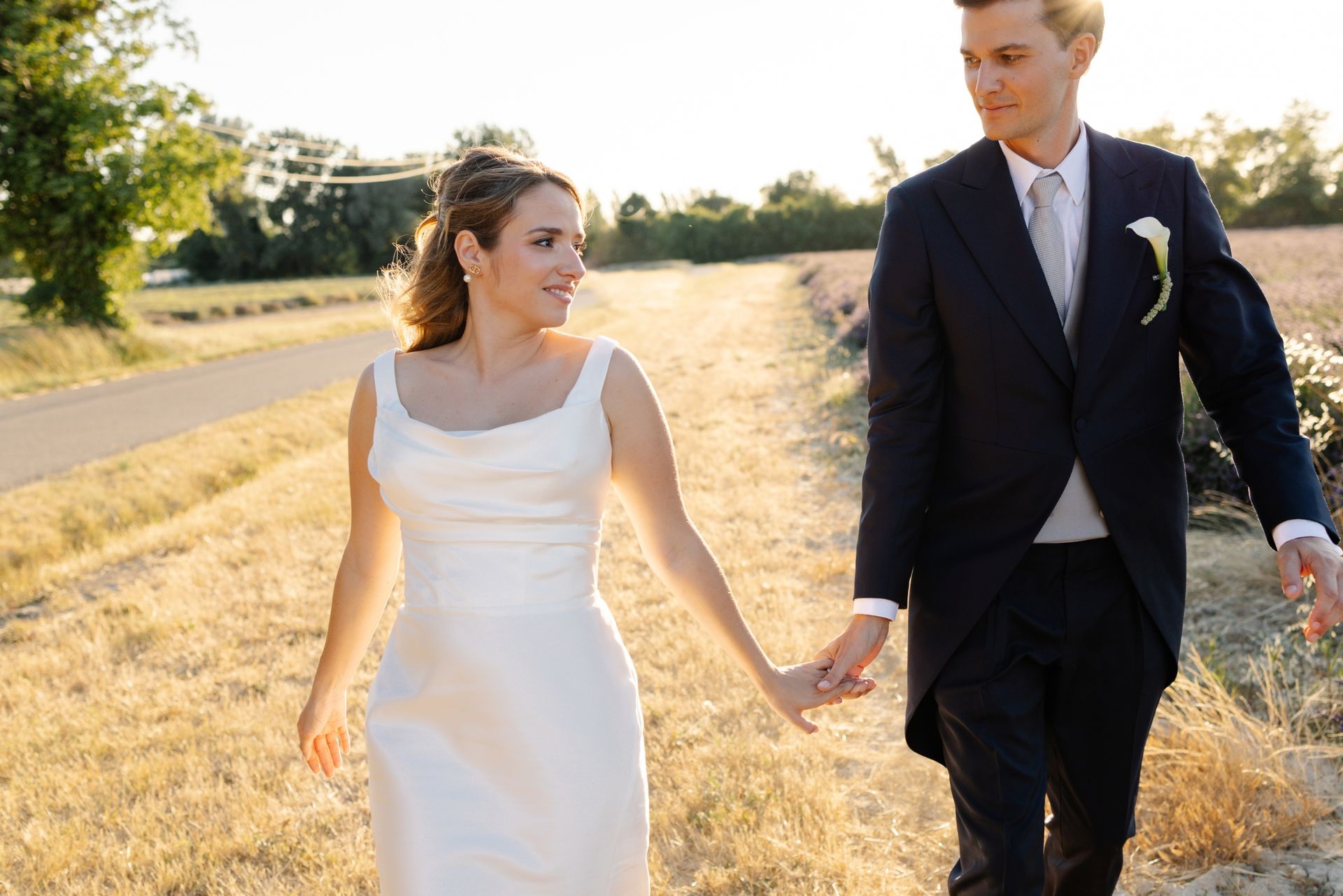
So, why choose a narrative approach?
Not because it would be superior to another way of filming a wedding.
But because it corresponds to a particular expectation.
That of not only finding the different stages of the day.
That of finding an atmosphere, relationships, an energy, and something of the personality of the people who were there.
Aesthetics remain important.
It is an integral part of my work.
But it is not the ultimate goal of the film.
It serves what the film tells.
Ultimately, this is what I seek through this approach: to build a film that has a sufficiently personal identity so that it cannot simply be transposed to another wedding.
A film that tells yours
There is not just one way to tell a wedding.
And "narrative" does not necessarily mean complex, spectacular, or extremely scripted.
It can be much simpler.
Observe.
Listen.
Understand what is happening.
Then choose how to assemble this material to give it form.
A narrative wedding film remains primarily grounded in reality.
It does not seek to invent your story. It seeks the most accurate way to tell the one that already exists.
→ Talk to me about your project
📸 Photo credits: Gabriella Feyer I Marine Nedjam I Gaetana Valastro I Maxine Decker